The U.S.–Israel War with Iran Could Trigger Trillions in Economic Losses for America
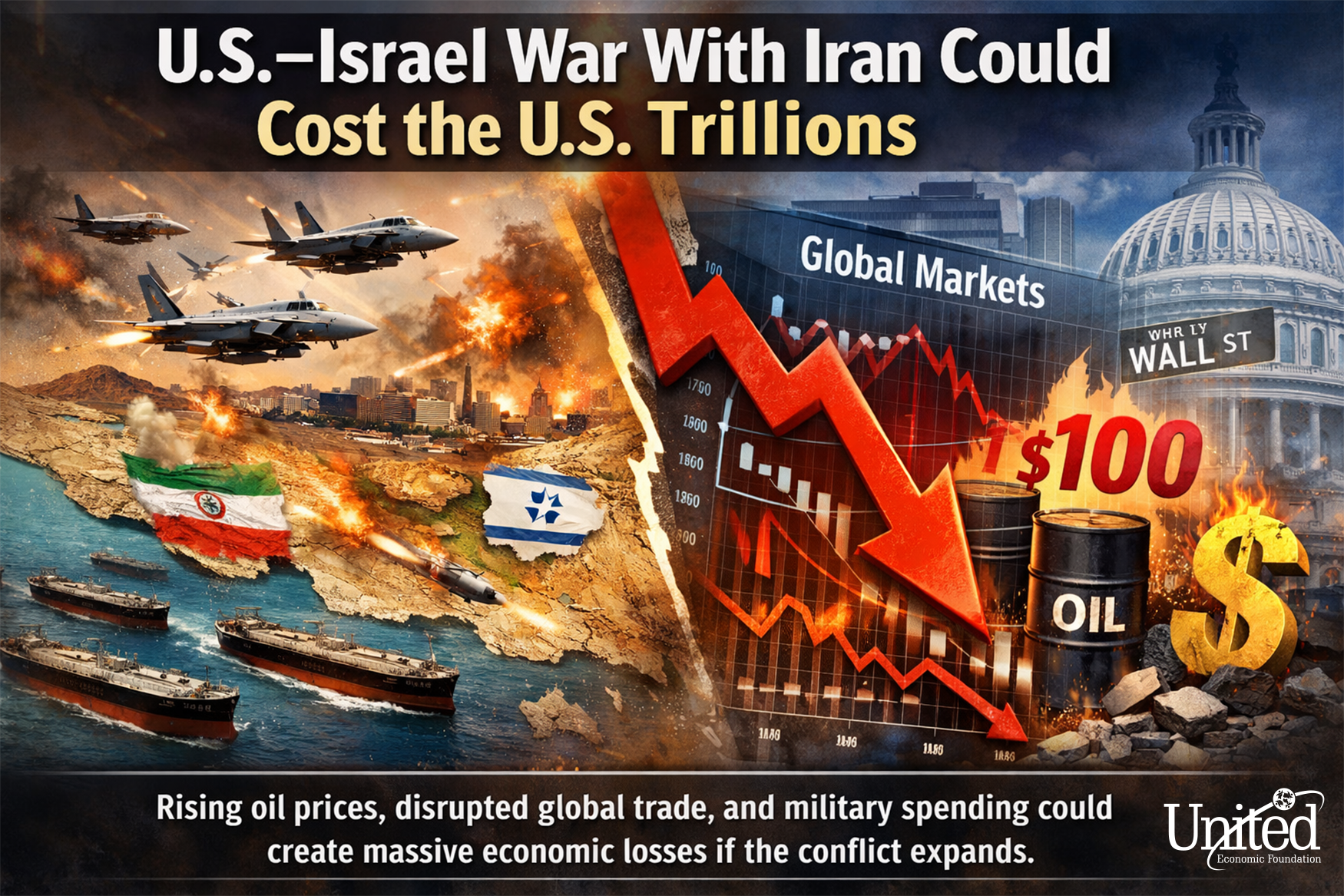
The U.S.–Israel War with Iran Could Trigger Trillions in Economic Losses for America. Historical precedents demonstrate how quickly the costs of war can escalate. The United States’ military engagements in Iraq and Afghanistan ultimately cost more than $8 trillion when long-term expenses—including veteran care, interest on war borrowing, and reconstruction—were taken into account.
-
by Unitedforum
Share on:
The U.S.–Israel War with Iran Could Trigger Trillions in Economic Losses for America
The U.S.–Israel War with Iran Could Trigger Trillions in Economic Losses for America
By Dr. Krishna Pandey, Economist, UnitedForum News Desk, Switzerland.
The ongoing military confrontation between the United States and Israel on one side and Iran on the other has already imposed significant financial costs on the countries involved. While early estimates suggest tens of billions of dollars in direct military spending, analysts warn that the long-term economic consequences could reach into the trillions if the conflict expands or continues for years.
According to reports cited by U.S. lawmakers, the Pentagon estimated that the first six days of the war alone cost more than $11.3 billion in military expenditures. These costs stem largely from the intensive use of high-precision missiles, advanced aircraft operations, and large-scale naval deployments across the region. However, these figures reflect only immediate operational costs and do not include broader economic impacts such as reconstruction, damage to public infrastructure, disruptions in energy markets, long-term military replenishment, or the human cost of war.
The United States has also spent billions of dollars in military assistance and regional operations related to Middle East conflicts in recent years. Researchers estimate that U.S. spending connected to Israel and broader regional operations has exceeded $30 billion since 2023. Analysts warn that continued escalation could dramatically increase these figures in the months and years ahead.
In addition to direct military spending, the United States has substantial economic exposure across the Middle East. American investments in the region—across sectors such as energy, finance, infrastructure, aviation, and technology—are estimated to exceed $5 trillion. Any prolonged conflict could disrupt these investments through halted commercial operations, suspended flights, reduced trade, and rising unemployment in regional markets. Such disruptions could produce far-reaching financial consequences for American businesses operating throughout the Middle East.
Strategists note that the conflict is increasingly taking on the characteristics of an economic war, in which financial stability, trade routes, and energy markets become as critical as battlefield outcomes. Rising geopolitical tensions have already affected global markets, shipping routes, and investor confidence. Some analysts warn that if the conflict spreads further across the region, the financial impact on the United States could be comparable to previous long and costly military engagements.
Israel, meanwhile, faces significant financial strain from the ongoing conflict. Military mobilization, missile defense operations, infrastructure damage, and disruptions to business activity have all contributed to mounting economic pressure. Economists suggest that a prolonged war could slow Israel’s economic growth and place additional stress on its national budget.
Beyond direct battlefield expenses, economists highlight the broader global consequences of the conflict. Rising oil prices, disrupted maritime trade routes, and heightened geopolitical risk can create ripple effects across international markets. If the war were to expand regionally or persist for several years, the combined economic losses affecting the United States, Israel, and global markets could potentially reach into the trillions of dollars.
Historical precedents demonstrate how quickly the costs of war can escalate. The United States’ military engagements in Iraq and Afghanistan ultimately cost more than $8 trillion when long-term expenses—including veteran care, interest on war borrowing, and reconstruction—were taken into account.
Experts emphasize that the ultimate financial burden of the current conflict will depend largely on its duration and scale. A short-term military campaign may remain within the tens of billions of dollars, but a prolonged regional confrontation could carry economic consequences measured in trillions.
The broader geopolitical implications may also affect investor confidence in the region. Continued instability could weaken perceptions of security and economic reliability in the Middle East, potentially discouraging foreign investment and slowing economic activity. Some analysts suggest that prolonged conflict could reshape investment patterns, trade partnerships, and geopolitical alliances in the coming years.
As diplomatic tensions remain high, policymakers, economists, and global leaders are closely watching whether the conflict will escalate further—or whether diplomatic efforts can prevent a costly and prolonged war that could reshape both regional stability and the global economic landscape.
Related post


Most read
Latest world's most important and pressing issues
more
Comprehensive
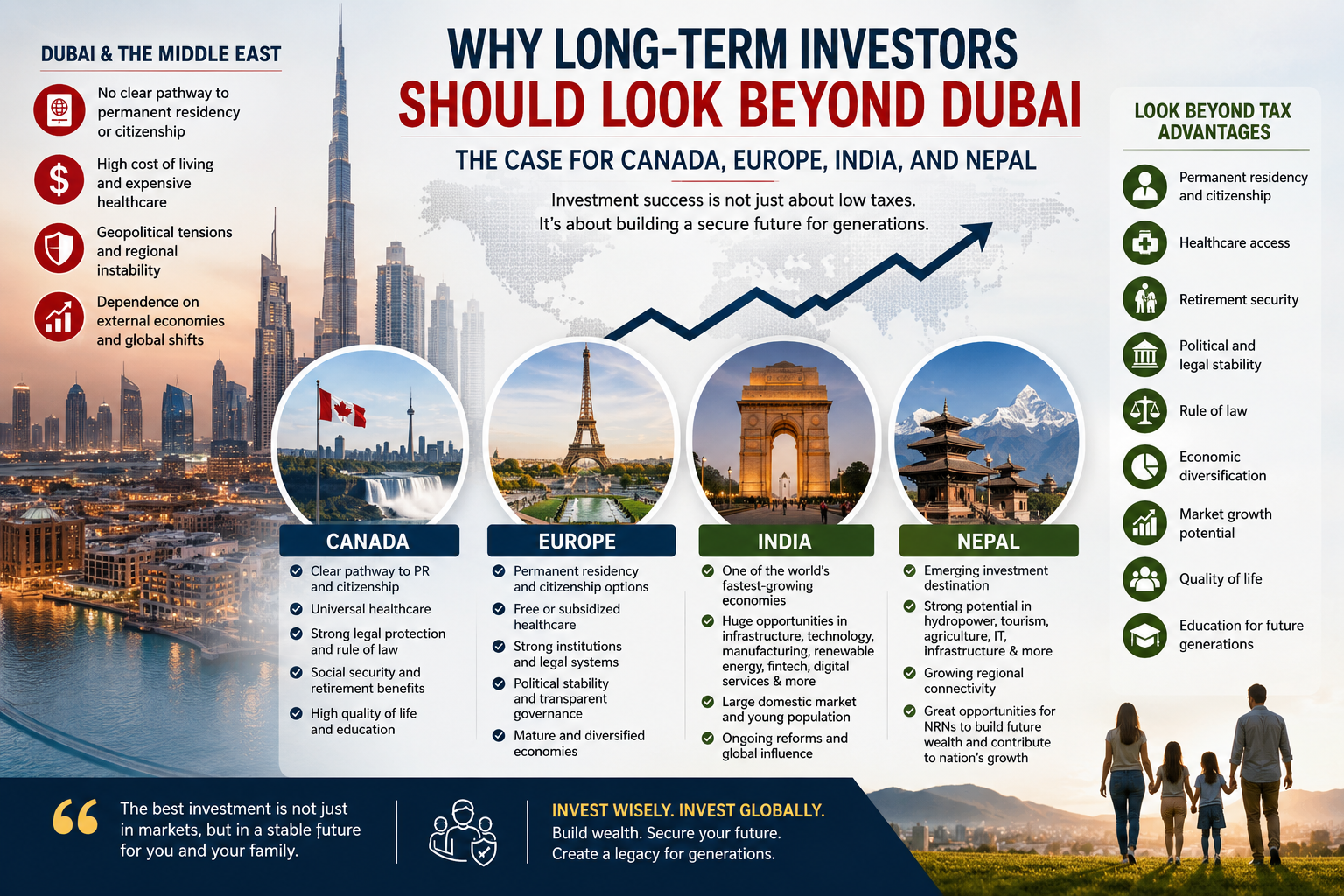
Why Long-Term Investors Should Look Beyond Dubai: The Case for Canada, Europe, India, and Nepal
Jul, 04, 2026
Unitedforum
Comprehensive
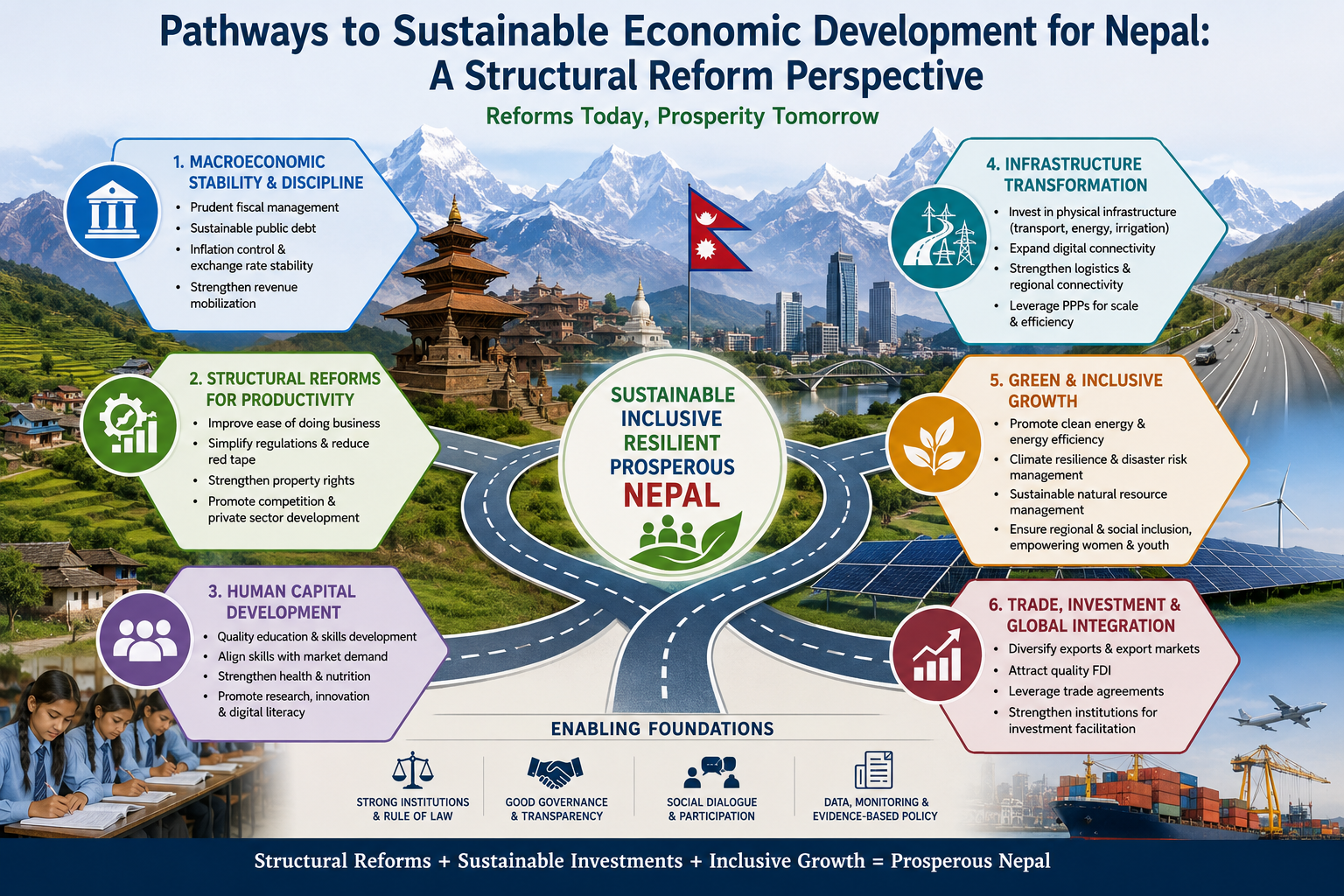
Pathways to Sustainable Economic Development for Nepal: A Structural Reform Perspective
Jun, 15, 2026
Unitedforum
Upcoming events
Past events

EVENT
IMEX Frankfurt 2026
IMEX Frankfurt 2026: IMEX Frankfurt is the premier annual gathering for the global meetings, events, and incentive trave...

EVENT
HR Tech Europe - HR Executive Event
HR Tech Europe is the region’s leading event dedicated to HR innovation and technology, bringing together senior HR lead...

EVENT
World Ocean Summit & Expo
World Ocean Summit & Expo 2026, organized by Economist Impact, will take place from Wednesday, March 4 to Thursday, Marc...

EVENT
Korea MICE Expo 2025
KOREA MICE EXPO (KME) is South Korea’s flagship event for the Meetings, Incentives, Conferences, and Exhibitions (MICE)...

EVENT
Franchise-Meet Europe- 2025
Franchise-Meet Europe 2025 is set to take place from July 12 to 14, 2025, at the FYCMA - Trade Fairs and Congress Center...

EVENT
IMEX Frankfurt 2025
IMEX Frankfurt 2025 is set to take place from May 20–22, 2025, at Messe Frankfurt, Germany. As one of the premier global...

EVENT
Global Youth Leadership Summit & Awards 2025
The Global Youth Leadership Summit & Awards 2024 is set to take place on 21-22 April, 2025, in the vibrant city of Malag...

EVENT
Agricultural Excellence Conference (AgEx 2024)
AgEx 2024, held November 19-21 in Abbotsford, BC, is Canada’s only national event dedicated to farm management and safet...


EVENT
Korea MICE Expo (KME) 2024
The Korea MICE Expo (KME) 2024 will be held from November 6-8 at Songdo ConvensiA in Incheon, South Korea. As the countr...

EVENT
IMEX AMERICA
IMEX America 2024 is set to be one of the largest gatherings for the global meetings, incentives, conferences, and event...