Global Economic and Strategic Impact of the Iran–Israel–USA War
Global Economic and Strategic Impact of the Iran–Israel–USA War
-
by Unitedforum
Share on:
Global Economic and Strategic Impact of the Iran–Israel–USA War
United Economic Forum | International Affairs & Global Economy
The escalating conflict involving Iran, Israel, and the United States has emerged as one of the most significant geopolitical crises of 2026. What began as targeted military operations has rapidly evolved into a broader regional confrontation, raising concerns among policymakers, investors, and global institutions about its far-reaching economic and strategic consequences.
Energy Markets Under Severe Pressure:
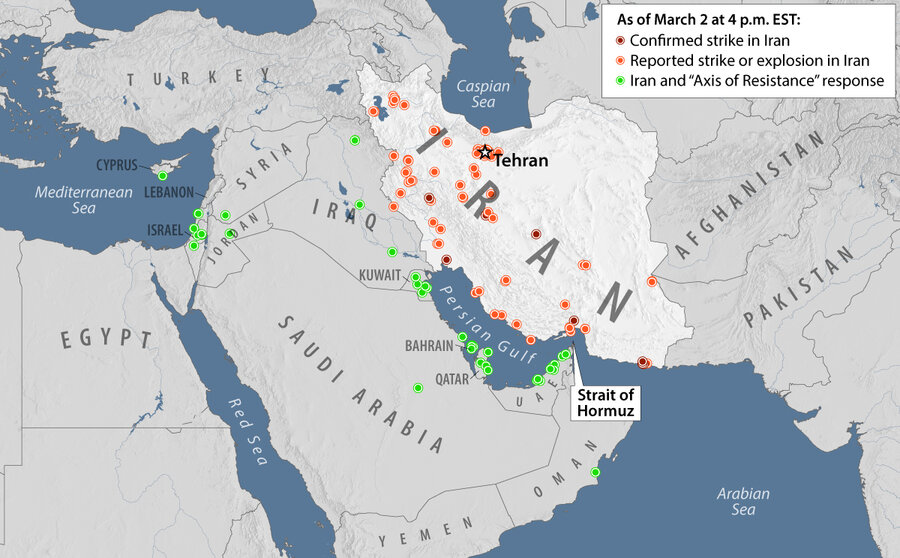
One of the most immediate global impacts of the war has been on energy markets. The Persian Gulf and the Strait of Hormuz serve as one of the world’s most critical energy corridors, with nearly 20 percent of global oil and liquefied natural gas shipments passing through the route. Any disruption or blockade in this region threatens the stability of global energy supplies and can trigger dramatic increases in oil prices and inflation across many economies.
Early indicators already suggest volatility in energy markets, with crude oil prices rising sharply following the initial strikes. Analysts warn that prolonged disruption could push oil prices significantly higher, placing pressure on both developed and emerging economies.
Shockwaves Across Global Financial Markets:
Financial markets have also responded with heightened uncertainty. Geopolitical instability typically triggers capital flight toward safe-haven assets such as gold and U.S. Treasury bonds while weakening stock markets in many regions. In the initial days following the escalation, global equity markets experienced sharp losses, wiping trillions of dollars from global market value.
Rising geopolitical risk has also increased insurance costs for maritime trade and disrupted major shipping routes connecting Asia, Europe, and the Middle East. These disruptions are likely to increase transportation costs and delay supply chains worldwide.
Implications for Global Trade and Supply Chains:
Beyond energy markets, the conflict threatens international trade flows. The Middle East remains a critical hub for shipping, aviation, and logistics networks linking Asia, Europe, and Africa. With airspace closures and maritime security risks increasing, companies may be forced to reroute cargo shipments, increasing transit times and operational costs.
Some estimates suggest that alternative shipping routes could add up to two weeks to major Asia–Europe trade corridors, further straining already fragile global supply chains.
Economic Consequences for the Warring States:
The economic burden of sustained conflict is expected to be severe for all parties involved. Military mobilization, infrastructure damage, and reduced investor confidence could significantly weaken domestic economies. For example, analysts estimate that prolonged wartime restrictions could cost Israel billions of dollars each week due to halted economic activity and nationwide security measures.
Iran’s economy, already constrained by sanctions and limited international trade, faces further challenges from damaged energy infrastructure and declining export revenues.
Risk of Global Inflation and Recession:
Economists warn that the combined effects of rising energy prices, supply chain disruptions, and geopolitical uncertainty could slow global economic growth. Some projections indicate that a prolonged regional war could increase global inflation and reduce overall economic expansion.
This scenario raises concerns of a return to stagflation-like conditions—where slow economic growth coincides with rising prices—posing difficult policy challenges for central banks worldwide.
Shifting Geopolitical Alignments:
Beyond economic effects, the conflict could reshape global alliances and strategic alignments. Regional actors and major powers—including Europe, China, Russia, and Gulf states—may reassess their diplomatic and security strategies as the crisis evolves.
For the United States, deeper involvement in the conflict could reinforce its strategic presence in the Middle East while simultaneously placing additional strain on domestic economic priorities and global commitments.
Conclusion:
The Iran–Israel–USA war represents more than a regional military confrontation; it is a geopolitical shock with profound implications for the global economy, energy markets, and international stability. As the conflict unfolds, its long-term consequences will likely influence global economic policy, trade routes, and strategic alliances for years to come.
Monitoring developments in the Middle East will therefore remain crucial for governments, investors, and international institutions seeking to navigate an increasingly uncertain global environment.
Related post


Most read
Latest world's most important and pressing issues
more
Comprehensive
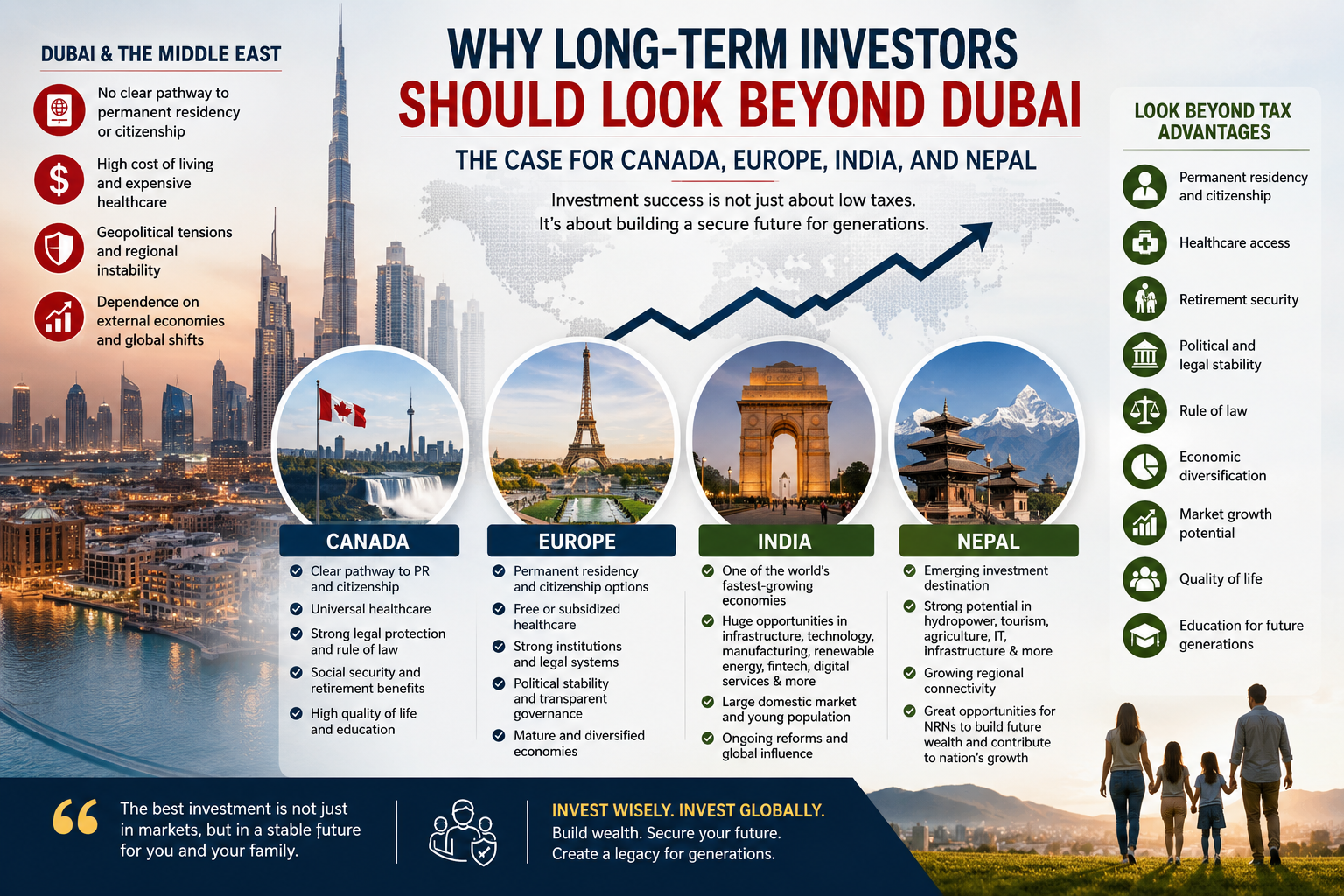
Why Long-Term Investors Should Look Beyond Dubai: The Case for Canada, Europe, India, and Nepal
Jul, 04, 2026
Unitedforum
Comprehensive
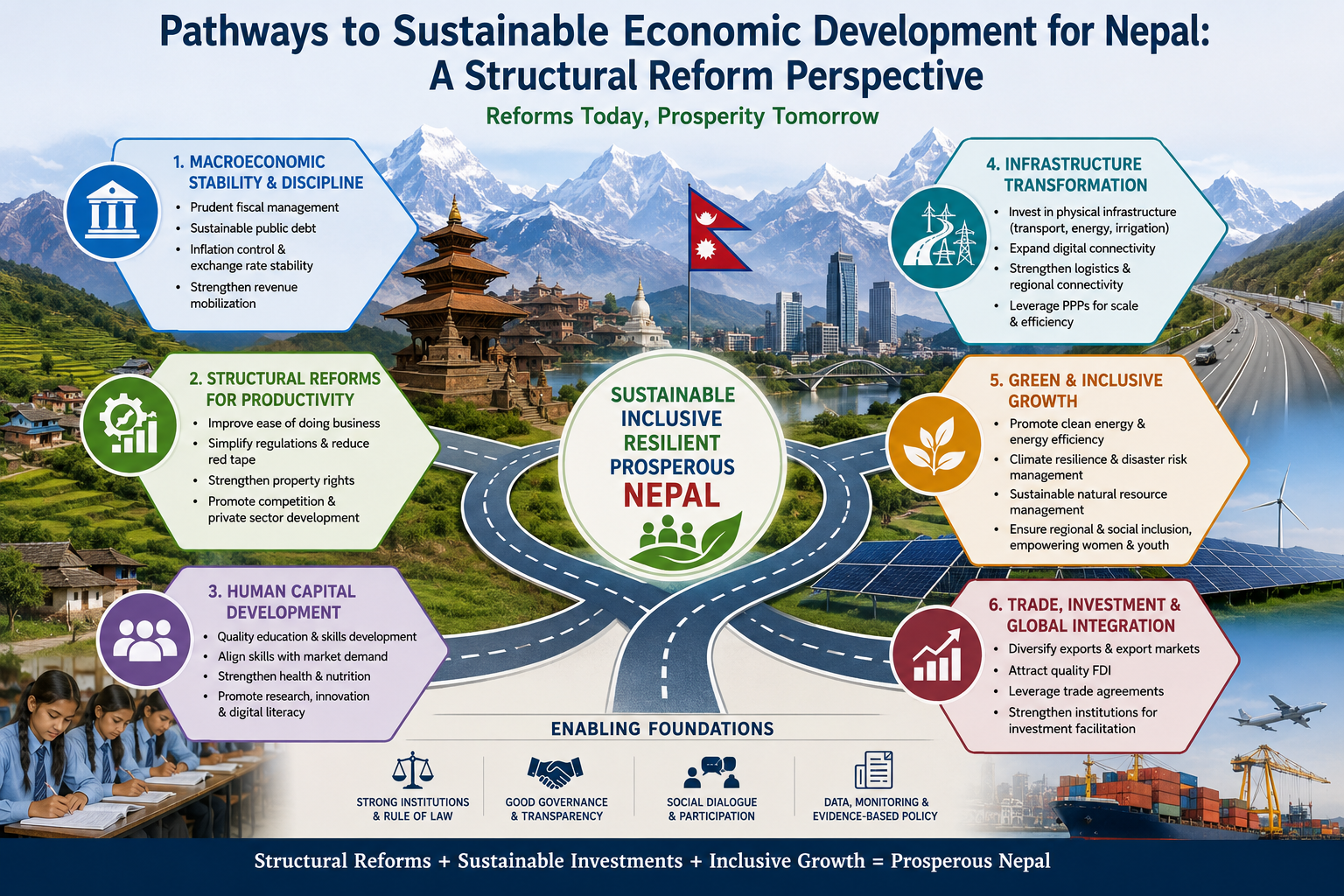
Pathways to Sustainable Economic Development for Nepal: A Structural Reform Perspective
Jun, 15, 2026
Unitedforum
Upcoming events
Past events
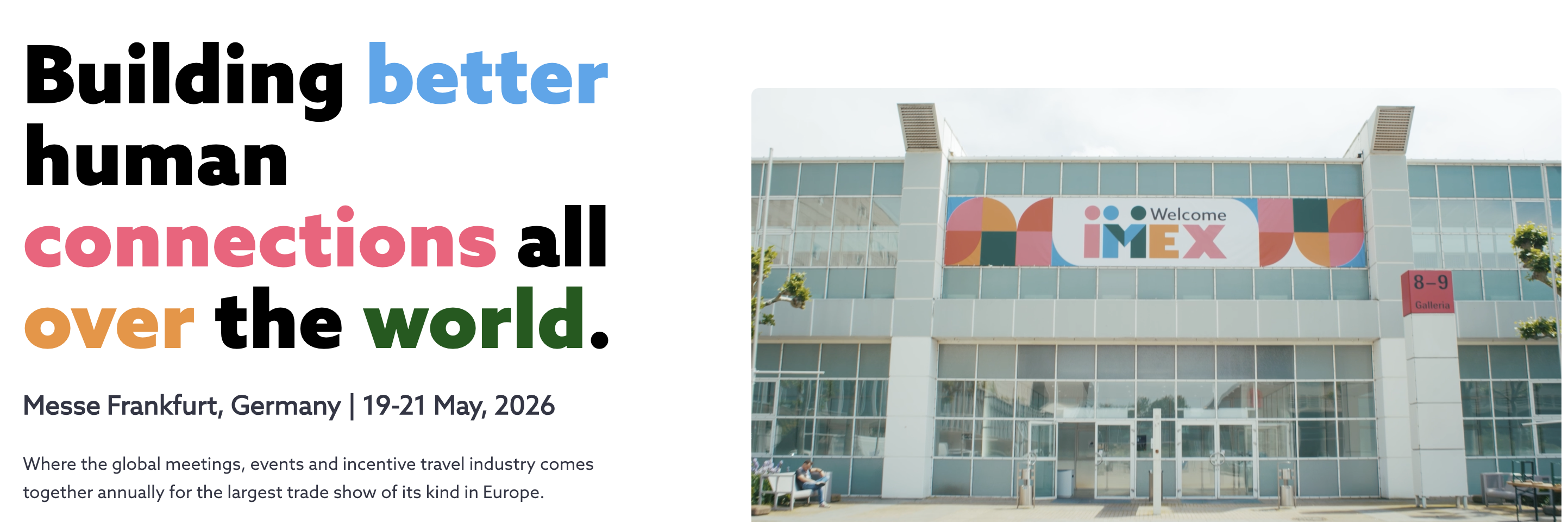
EVENT
IMEX Frankfurt 2026
IMEX Frankfurt 2026: IMEX Frankfurt is the premier annual gathering for the global meetings, events, and incentive trave...

EVENT
HR Tech Europe - HR Executive Event
HR Tech Europe is the region’s leading event dedicated to HR innovation and technology, bringing together senior HR lead...

EVENT
World Ocean Summit & Expo
World Ocean Summit & Expo 2026, organized by Economist Impact, will take place from Wednesday, March 4 to Thursday, Marc...

EVENT
Korea MICE Expo 2025
KOREA MICE EXPO (KME) is South Korea’s flagship event for the Meetings, Incentives, Conferences, and Exhibitions (MICE)...

EVENT
Franchise-Meet Europe- 2025
Franchise-Meet Europe 2025 is set to take place from July 12 to 14, 2025, at the FYCMA - Trade Fairs and Congress Center...

EVENT
IMEX Frankfurt 2025
IMEX Frankfurt 2025 is set to take place from May 20–22, 2025, at Messe Frankfurt, Germany. As one of the premier global...

EVENT
Global Youth Leadership Summit & Awards 2025
The Global Youth Leadership Summit & Awards 2024 is set to take place on 21-22 April, 2025, in the vibrant city of Malag...

EVENT
Agricultural Excellence Conference (AgEx 2024)
AgEx 2024, held November 19-21 in Abbotsford, BC, is Canada’s only national event dedicated to farm management and safet...


EVENT
Korea MICE Expo (KME) 2024
The Korea MICE Expo (KME) 2024 will be held from November 6-8 at Songdo ConvensiA in Incheon, South Korea. As the countr...

EVENT
IMEX AMERICA
IMEX America 2024 is set to be one of the largest gatherings for the global meetings, incentives, conferences, and event...